How might AI expand festival references into cinematic commercial shots?
GenAI Commercial Video, AI Art Direction
Guizhou Lantern Festival GenAI PromoHow can static festival references become cinematic commercial motion while preserving cultural specificity?
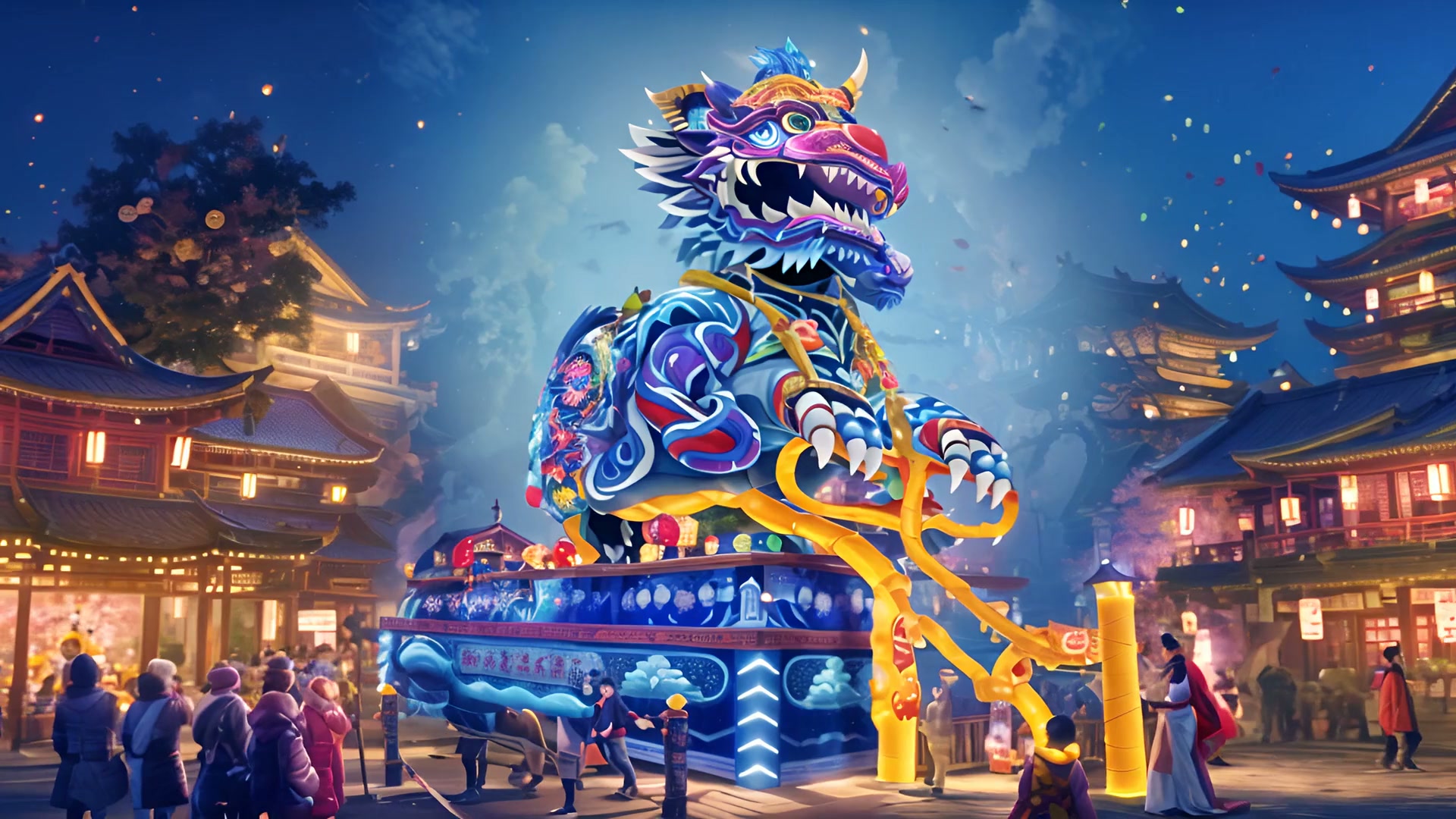
A commercial GenAI video experiment for a Guizhou lantern-festival campaign. I curated real festival references, generated and animated shot variations, cleaned selected outputs, and edited a short promotional reel from unstable short clips.
Impact
A commercial GenAI video workflow for a lantern-festival campaign. The case shows reference curation, image-to-video generation, upscaling, shot selection, and editorial control under early tool instability.
Role
Timeline
Team
The Challenge
The brief needed cinematic festival motion without drifting into generic fantasy imagery. Static lantern references carried the cultural specificity, but early AI video tools struggled with continuity, text, crowds, and spatial logic.
The design challenge was to use AI for shot exploration while keeping human art direction responsible for coherence.
Design logic
Questions & key decisions
Key decision
Use real festival material as the anchor
- Problem
- Pure text-to-video outputs drifted toward generic fantasy scenes and lost the specificity of the lantern-festival context.
- Decision
- I curated real installation, stage, corridor, dragon, and night-market references before generating motion variations.
- Why it worked
- The references constrained the model and gave the final reel a clearer relationship to a real commercial brief.
- Outcome
- the selected reel uses generated motion while keeping lantern architecture, night density, and campaign atmosphere visible.
Key decision
Treat AI video as a shot bank
- Problem
- Early image-to-video tools were unstable in character continuity, text rendering, and spatial logic.
- Decision
- I generated many short clips by motion type, then selected, upscaled, and cut only the usable outputs.
- Why it worked
- This preserves speed and exploration while keeping human judgement responsible for quality and coherence.
- Outcome
- the final preview is a curated edit, not an unfiltered model output.
Research & Discovery
I built a source world from real lantern installations, illuminated gates, dragon forms, stage moments, visitors, and night corridors.
The hypothesis was that reference-led generation would hold cultural specificity better than pure text prompting. Testing showed that AI video was strongest as a shot bank, not as a final-film generator.
Design Strategy
I broke the promo into motion types: fly-through, lantern close-up, dragon reveal, crowd atmosphere, gate approach, and character movement.
That gave the workflow a production logic: generate many short attempts, compare them against the campaign mood, upscale selected shots, and edit only what holds together.
Implementation & Pipeline
The pipeline combined reference curation, prompt direction, image-to-video generation, upscaling, and editorial selection. I used Runway-style generation for motion tests and then cut usable short outputs into a compact web reel.
The important design judgement was knowing when to discard an impressive clip because it broke the cultural or spatial promise.
Results & Impact
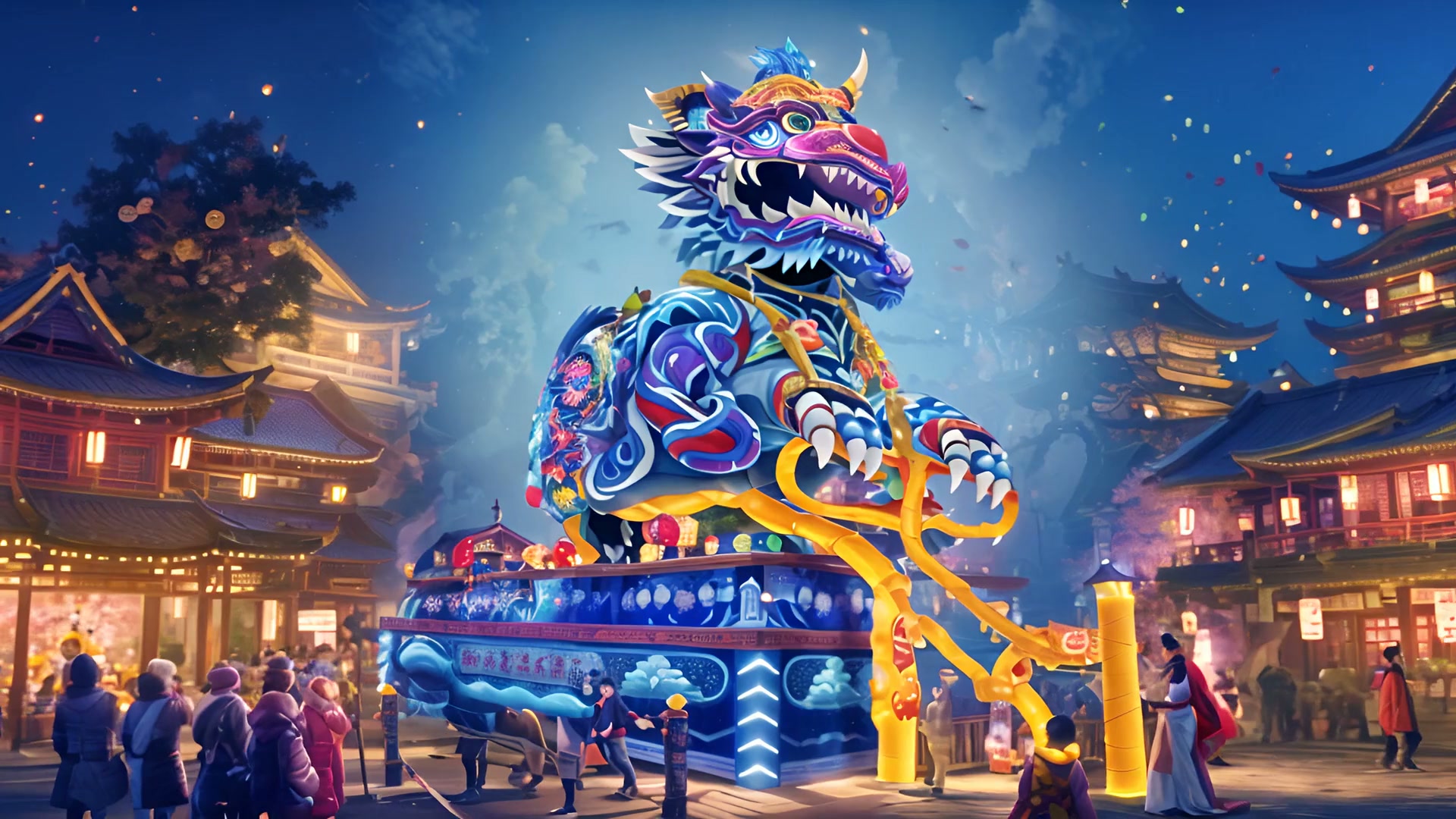
The outcome is a compact GenAI promo reel and a repeatable method for commercial AI motion: source curation, motion-type batching, visual QA, upscaling, and human edit direction.
Lessons Learned
Early AI video rewards editorial discipline. The designer's job is deciding what the model should explore, which references must stay visible, and when an artifact breaks the brief.
What's Next
A stronger next version would pair the reel with client-facing shot boards that show accepted clips, rejected clips, and the quality criteria used for selection.
Continue exploring